Carpet and Upholstery Cleaning After Your Home Renovation Project
Home renovation projects can transform the appearance, comfort, and functionality of a property. Whether you are updating a kitchen, redecorating a living room, replacing flooring, or completing a full property refurbishment, the finished results can make a significant difference to everyday living. However, renovation work often leaves behind fine dust, construction debris, and unwanted residues that can settle into carpets, rugs, and upholstered furniture.
Even when protective coverings are used, microscopic particles can travel throughout a property and become trapped within soft furnishings. Dust from plastering, sanding, drilling, and painting may remain long after the builders have finished, making ordinary household cleaning less effective.
For homeowners, landlords, and businesses in St Helens, Carpet and upholstery cleaning provides a practical way to refresh interior furnishings following renovation work. Professional cleaning methods help remove accumulated dirt, improve the appearance of fabrics, and prepare rooms for comfortable everyday use.
Understanding how renovation activities affect carpets and furniture can help property owners arrange appropriate cleaning, protect their furnishings, and maintain a welcoming environment after building work is complete.
How Renovation Work Affects Carpets and Upholstered Furniture
Renovation projects generate different types of dust and debris depending on the work being completed. Sanding wooden surfaces, removing old plaster, drilling into walls, and replacing fixtures can release fine particles that travel beyond the immediate work area.
Although protective sheets help limit contamination, they cannot always prevent airborne dust from settling into exposed carpet fibres and upholstered furniture. Soft furnishings are particularly vulnerable because their textured surfaces can trap particles that are difficult to remove through ordinary vacuuming.
Fine Dust and Construction Residues
Plaster dust, sawdust, and other construction particles can settle deep within carpet fibres. These materials may be difficult to remove completely using standard household equipment, particularly when they have accumulated over several days or weeks.
Fine particles can also become trapped within sofa cushions, upholstered chairs, fabric headboards, and other furnishings. When disturbed through everyday movement, some of these particles may return to the surrounding air or settle on nearby surfaces.
Professional cleaning can help remove accumulated debris from suitable fabrics, improving their appearance and reducing the amount of loose material remaining after renovation work.
Accidental Stains and Surface Marks
Building and decorating work can occasionally leave visible marks on carpets and furniture.Paint splashes, adhesive residues, muddy footprints, and accidental spills may affect areas that were not adequately protected during the project.
Different substances require different treatment methods. Water-based paint, for example, may respond differently from dried adhesive or oil-based decorating materials. Attempting to remove these marks using unsuitable household products can spread the contamination, affect fabric colour, or damage delicate fibres.
An experienced upholstery cleaner can assess the material, identify the likely cause of staining, and determine whether a suitable treatment may improve the affected area. However, not every stain can be removed completely, particularly when substances have permanently altered the fabric or become deeply embedded.
Hidden Dirt Beneath Furniture
During renovation work, furniture is often moved into temporary positions or stored in other rooms. Once the project is complete, previously concealed carpet areas may reveal accumulated dust, uneven soiling, or marks caused by furniture movement.
These areas should be inspected before heavy furniture is returned to its original position. Professional cleaning helps address embedded debris and provides an opportunity to refresh the flooring before the room is fully furnished again.
The Importance of Cleaning at the Right Time
Cleaning carpets and furniture before renovation work has finished can result in newly cleaned surfaces becoming contaminated again. For this reason, deep cleaning is generally more effective after the main building activities have been completed and loose construction debris has been removed.
Walls, ceilings, shelves, and other hard surfaces should also be cleaned beforehand to reduce the amount of dust that may subsequently settle onto freshly cleaned furnishings. A carefully planned cleaning schedule helps property owners avoid unnecessary repeated work while preparing their interiors for normal use.
Preparing Carpets and Furniture for Professional Cleaning
Before arranging a professional appointment, it is important to prepare the property and identify any areas requiring particular attention. A structured approach allows cleaners to assess the condition of the furnishings, select suitable equipment, and carry out the work without unnecessary disruption.The following preparation steps can help homeowners, landlords, and property managers organise the process effectively.
Removing Remaining Renovation Debris
- Ensure that building and decorating activities have finished before arranging the final deep clean.
- Remove leftover packaging, timber offcuts, plaster fragments, and other loose construction materials from the property.
- Clear large debris from carpeted areas without dragging sharp or abrasive materials across the fibres.
- Arrange appropriate removal of hazardous building materials through suitably qualified specialists rather than attempting to clean them using ordinary domestic equipment.
- Clean surrounding hard surfaces to reduce the likelihood of dust settling onto freshly cleaned carpets and furniture.
Preparing Carpeted Areas
- Move lightweight furniture and smaller household items where practical to provide access to the flooring.
- Identify heavily affected areas, including hallways, staircases, entrances, and rooms where renovation activities took place.
- Point out visible stains, accumulated dust, and sections where protective coverings may have moved during building work.
- Avoid applying additional household cleaning products immediately before the appointment, as residues may interfere with professional treatments.
- Inform the cleaner about any previous attempts to remove paint, adhesive, or other construction-related marks.
Assessing Upholstered Furniture
- Check sofas, armchairs, dining chairs, and fabric headboards for visible dust, staining, and changes in appearance.
- Remove loose cushions where appropriate so the cleaner can assess individual sections.
- Identify delicate fabrics, decorative finishes, and furnishings that may require specialist treatment.
- Check manufacturer care labels where available and share any relevant cleaning instructions.
- Avoid excessive scrubbing or soaking, particularly when dealing with delicate or moisture-sensitive materials.
Choosing a Suitable Cleaning Provider
- When searching for a carpet and upholstery cleaner near me, consider whether the provider can assess both fitted flooring and upholstered furnishings.
- Ask which cleaning methods are suitable for the materials within your property.
- Discuss the extent of the renovation work and identify any unusual substances that may have affected the fabrics.
- Request information about expected drying times and any preparation required before the appointment.
- Confirm which areas and furnishings are included in the proposed service so the cleaning arrangements match your requirements.
Preparing the property in advance helps make the appointment more straightforward. It also allows the cleaner to focus on treating affected areas rather than spending unnecessary time moving items or dealing with remaining construction debris.
Professional Cleaning Methods for Post-Renovation Carpet Care
Once the property has been prepared, the next stage involves selecting appropriate cleaning methods for the carpets and upholstered furnishings.
Professional cleaning should begin with an assessment of the materials, their condition, and the type of contamination present.
Renovation dust, general household dirt, and accidental decorating stains may require different approaches, making it important to understand the limitations of each treatment.
Initial Inspection and Material Assessment
Before cleaning begins, the technician should examine the carpets and furniture to identify fibre types, construction, existing wear, and any visible damage.
This assessment is particularly important for properties containing wool carpets, delicate rugs, natural upholstery fabrics, or furnishings with decorative finishes.
Some materials may be sensitive to moisture, temperature, or particular cleaning solutions. A suitable cleaning method should therefore be selected according to the manufacturer's guidance and the condition of the individual item.
For homeowners and landlords, this preliminary inspection provides an opportunity to discuss expectations and identify any concerns before treatment begins.
Removing Embedded Dust and Fine Particles
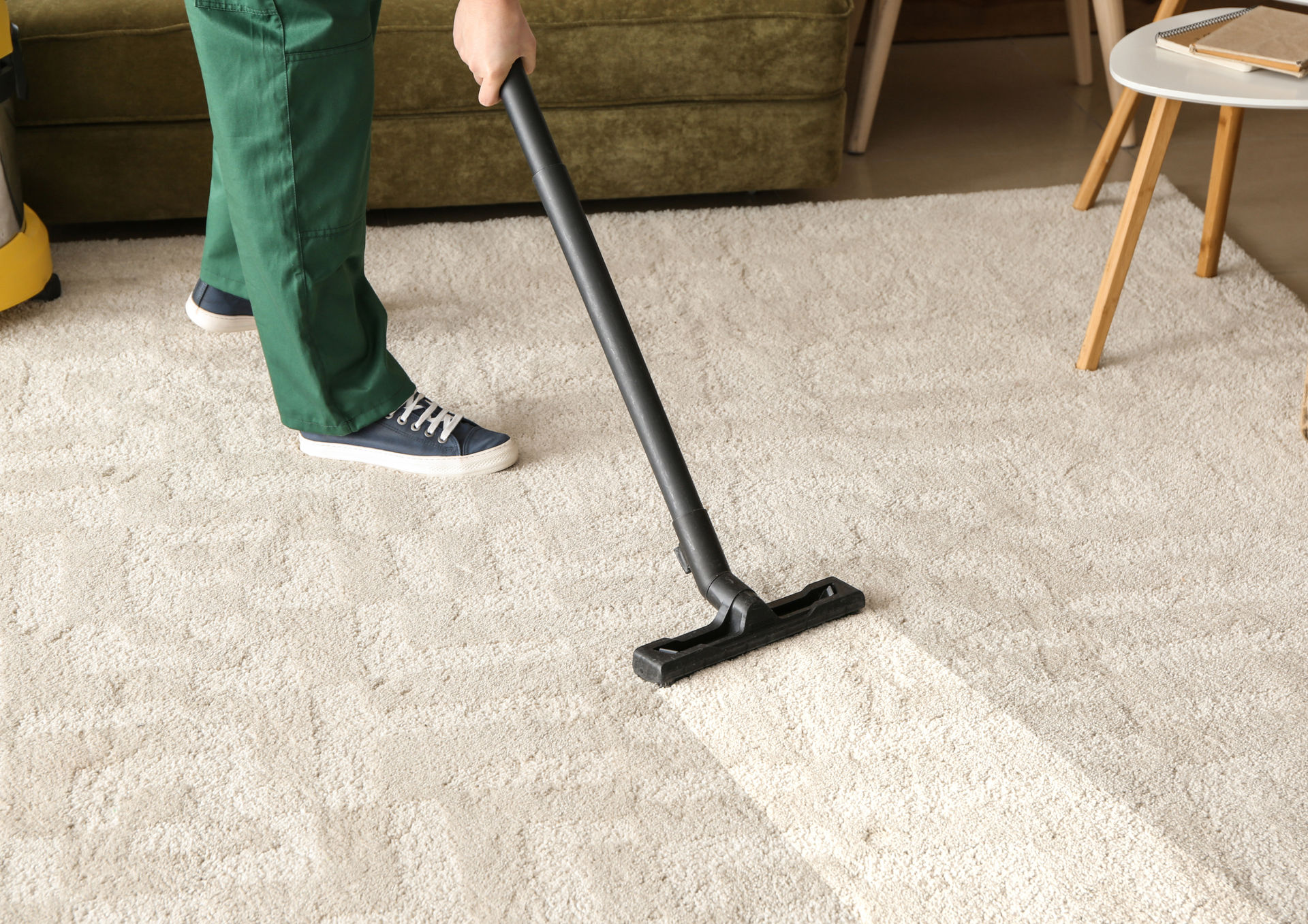
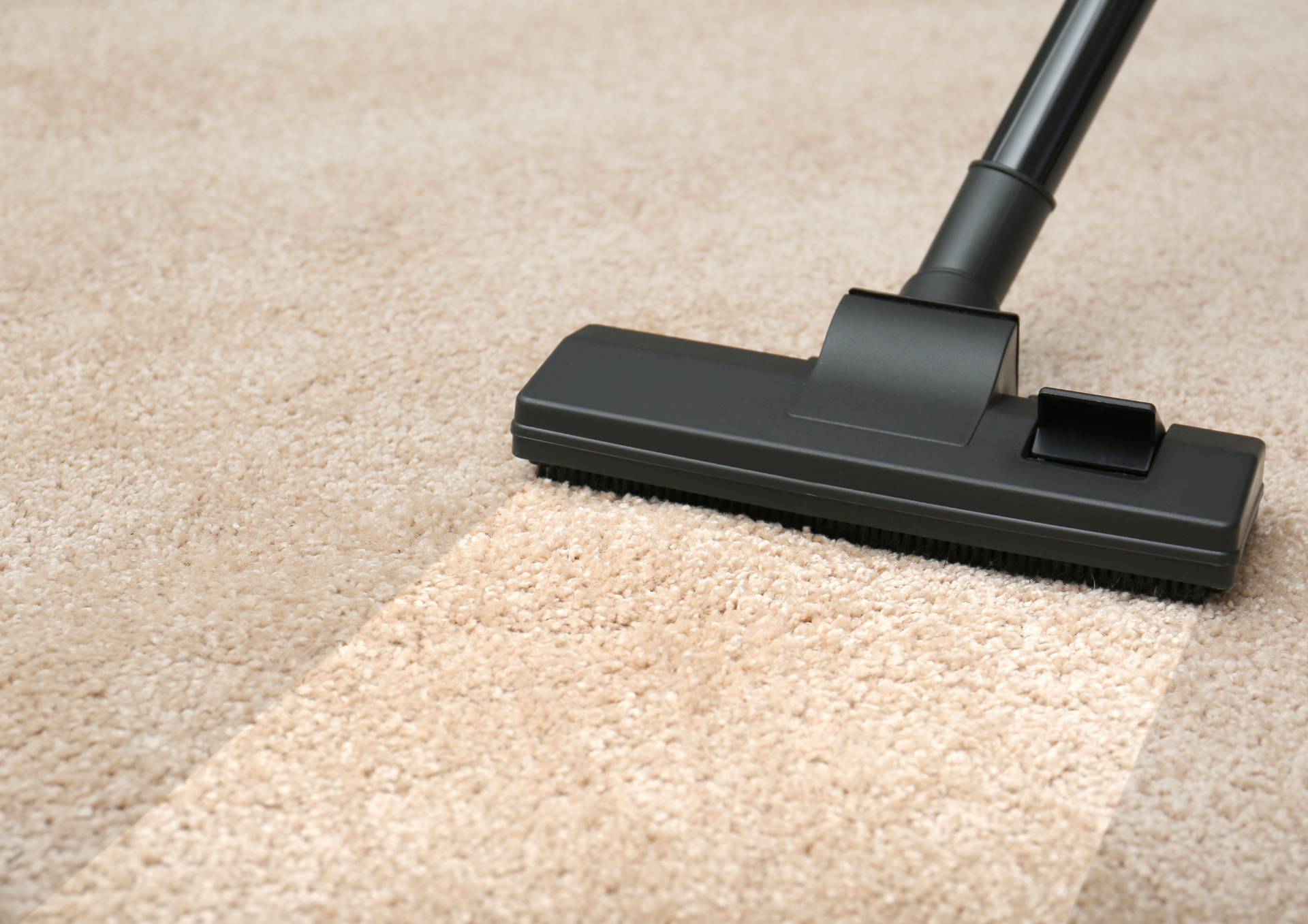
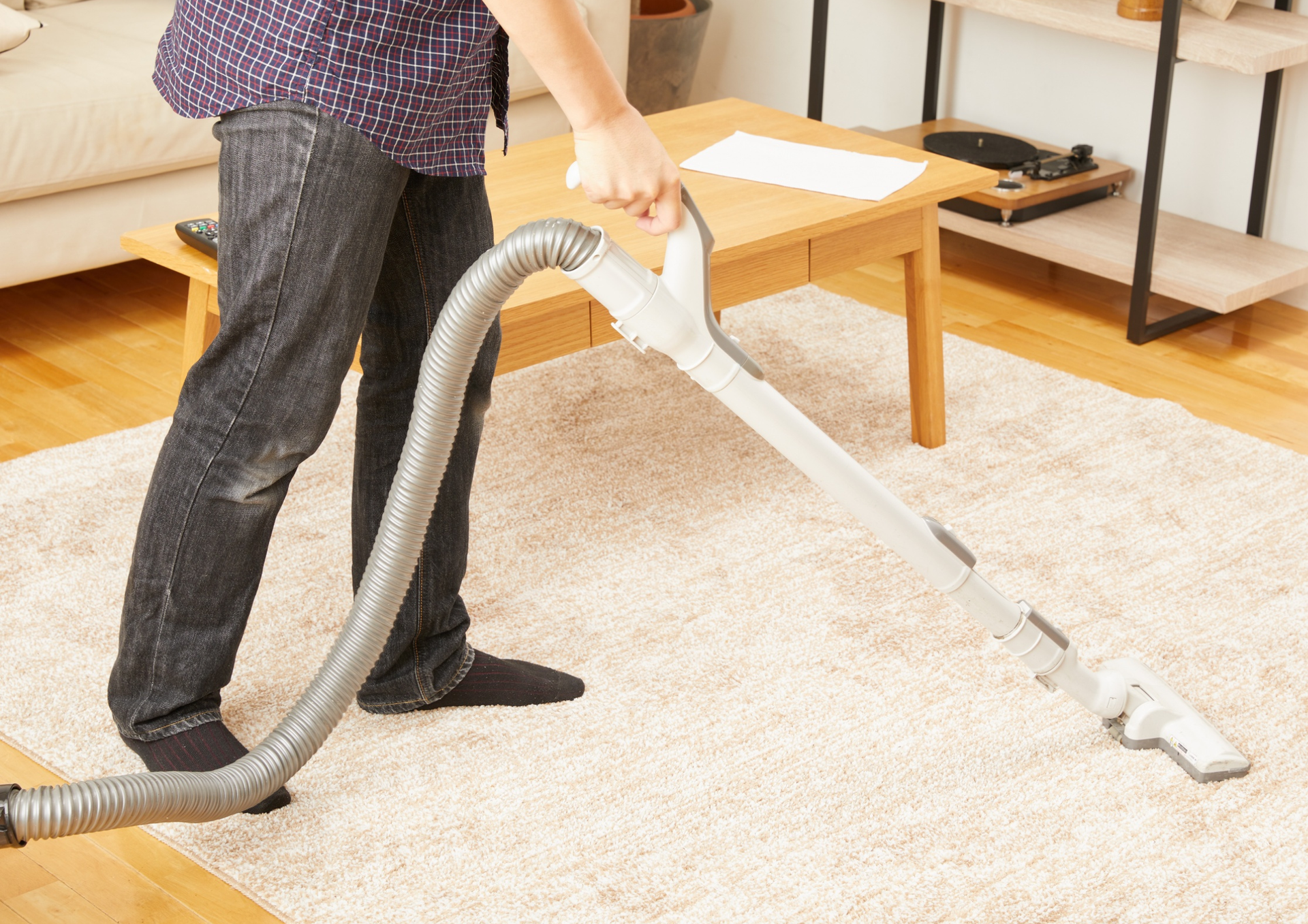
Renovation dust can become trapped beneath the visible surface of carpets, particularly when building work continues over an extended period.Professional vacuuming using suitable filtration and equipment helps remove loose particles before deeper cleaning takes place.
This initial stage is important because applying moisture to heavily contaminated flooring without adequate preparation may cause some residues to spread or become more difficult to extract.
Where appropriate, further cleaning can then address embedded dirt that remains within the carpet fibres. The objective is to remove contamination effectively while avoiding unnecessary damage to the flooring.
Selecting the Appropriate Cleaning Method
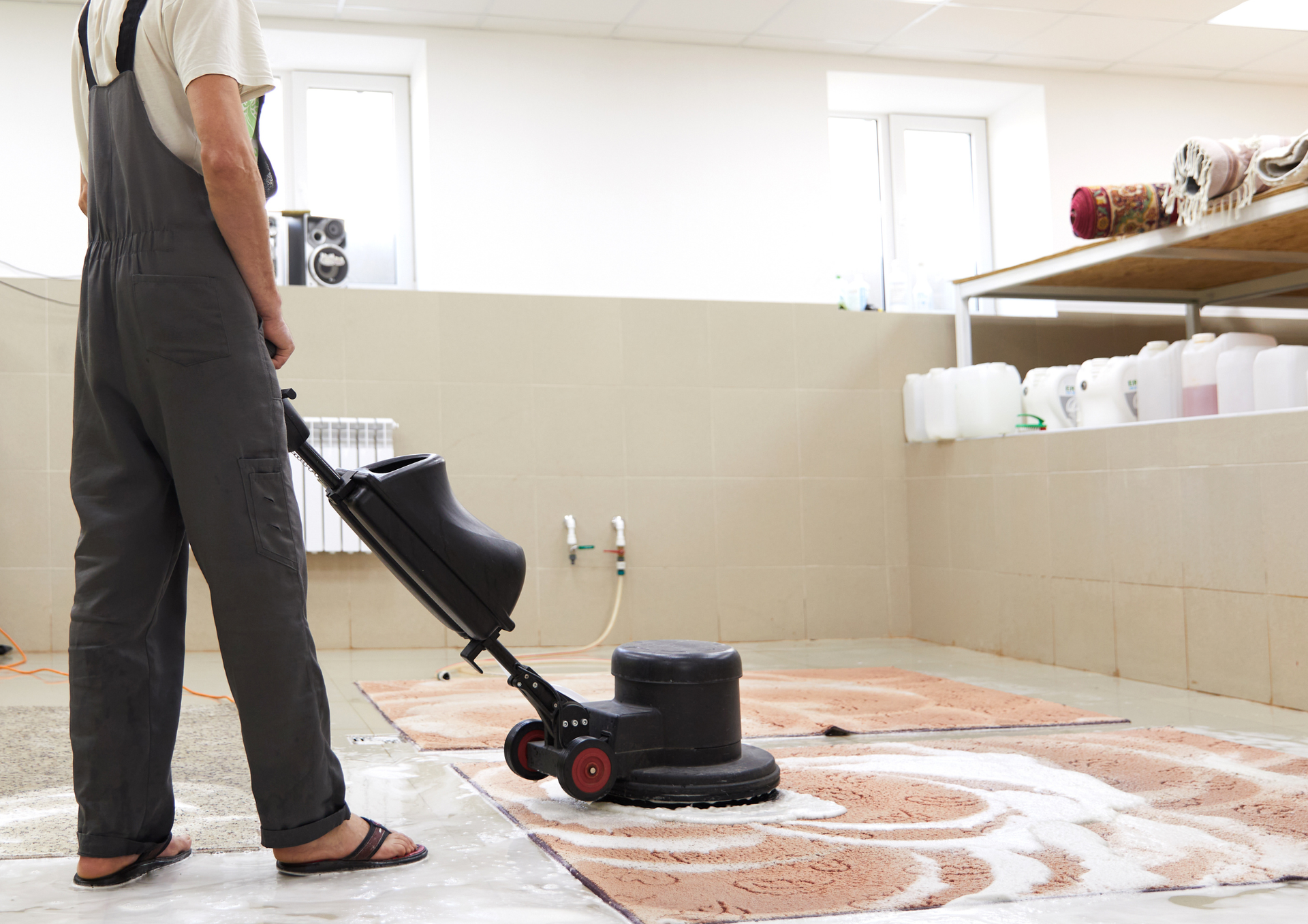
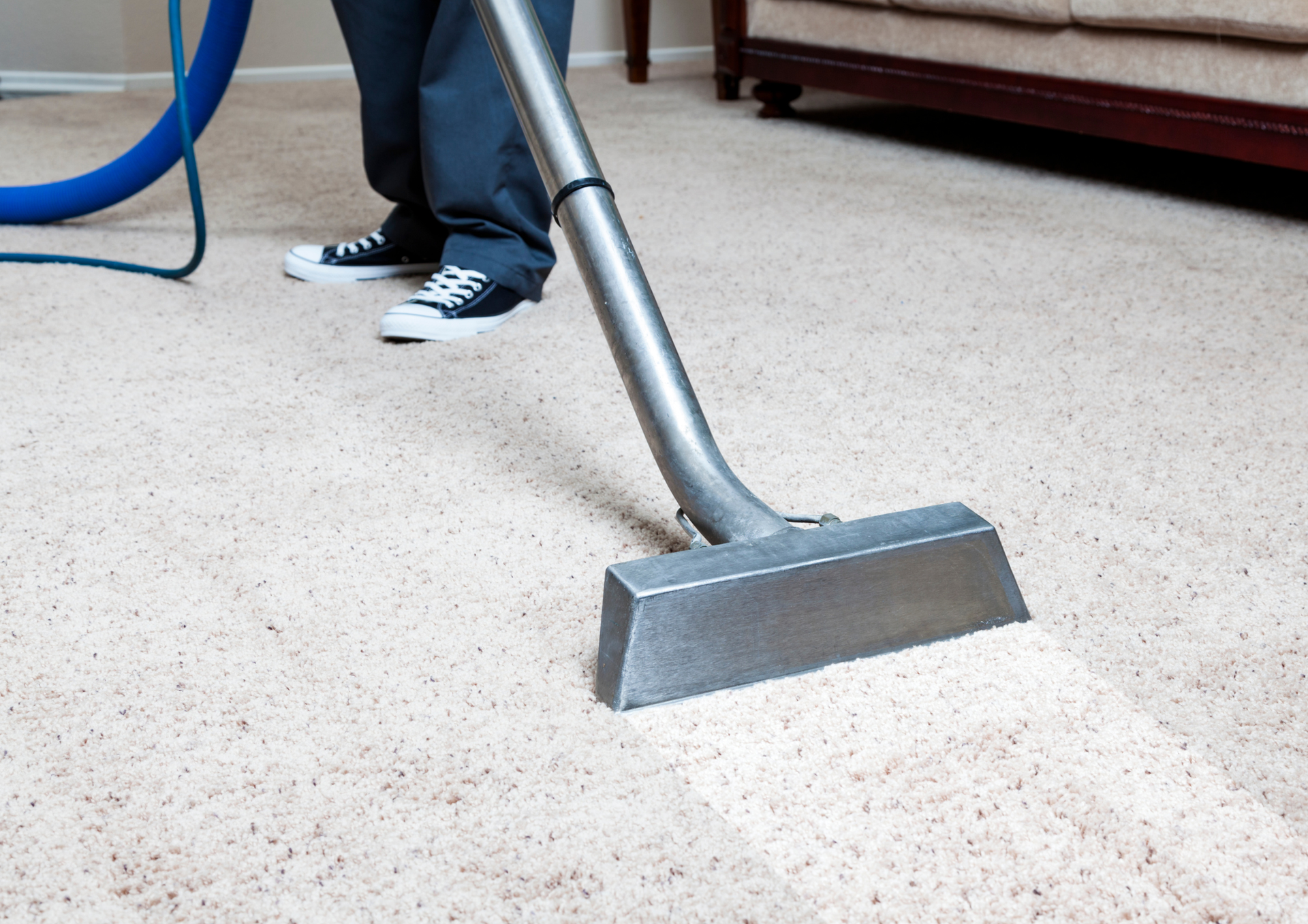
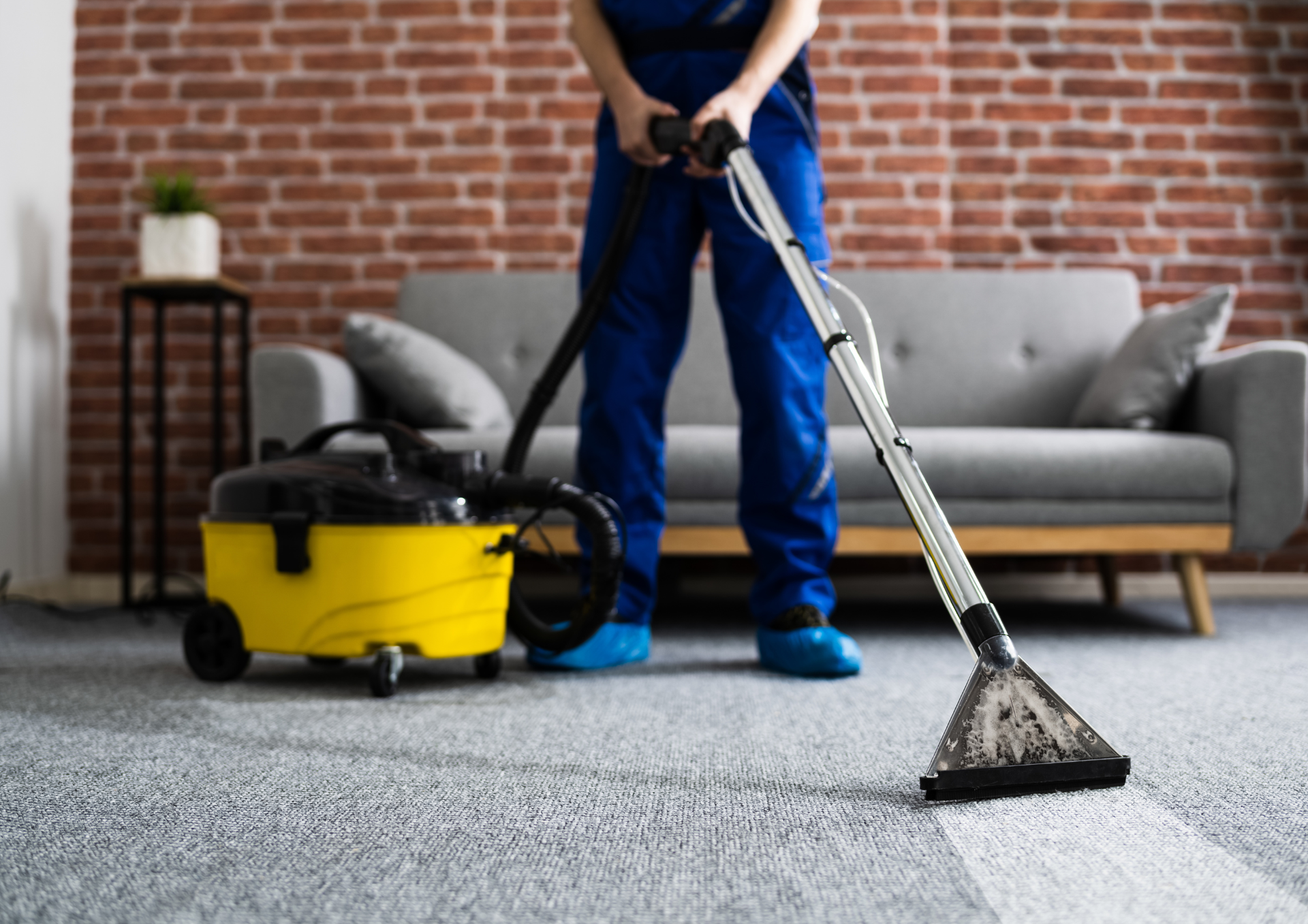
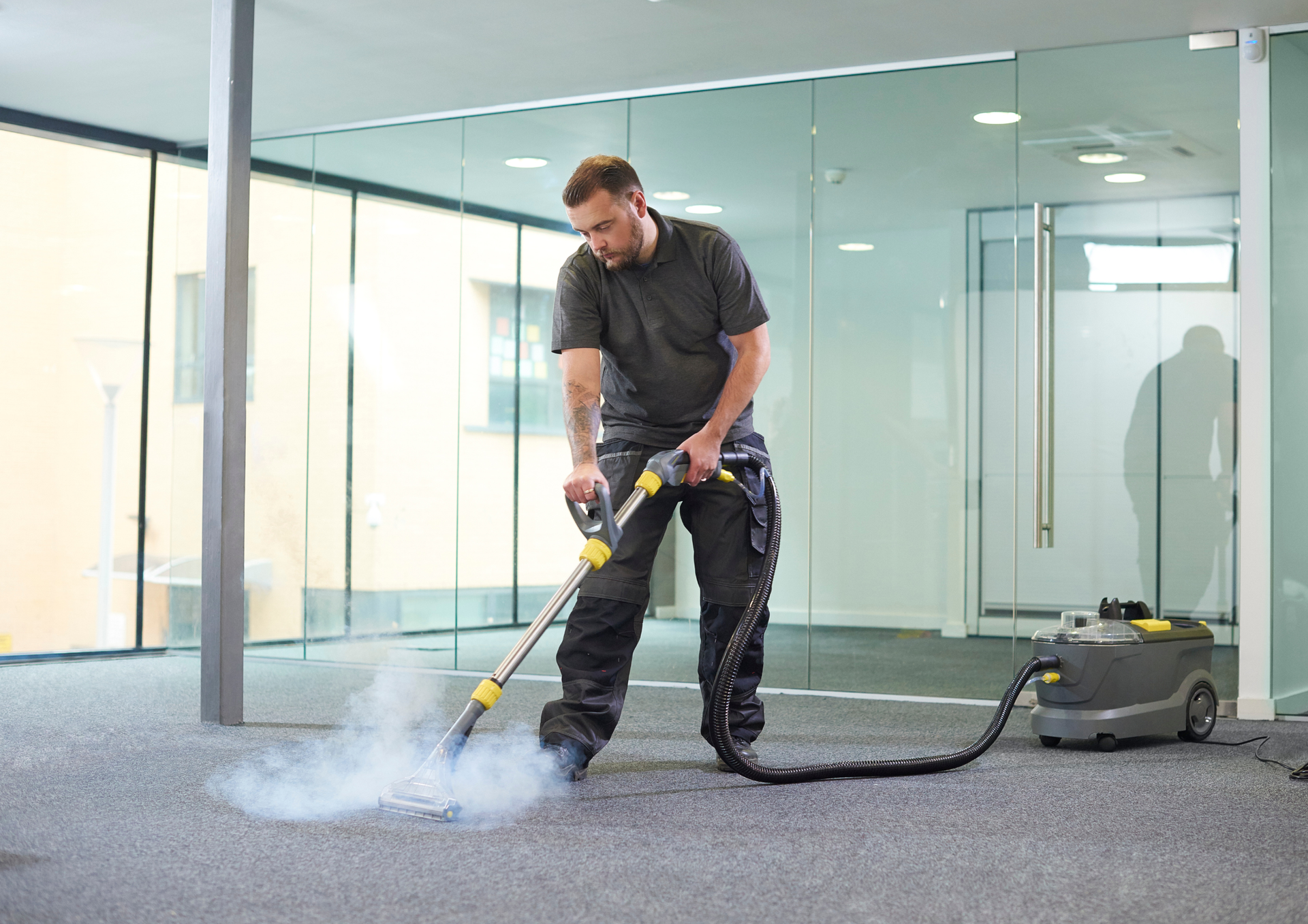
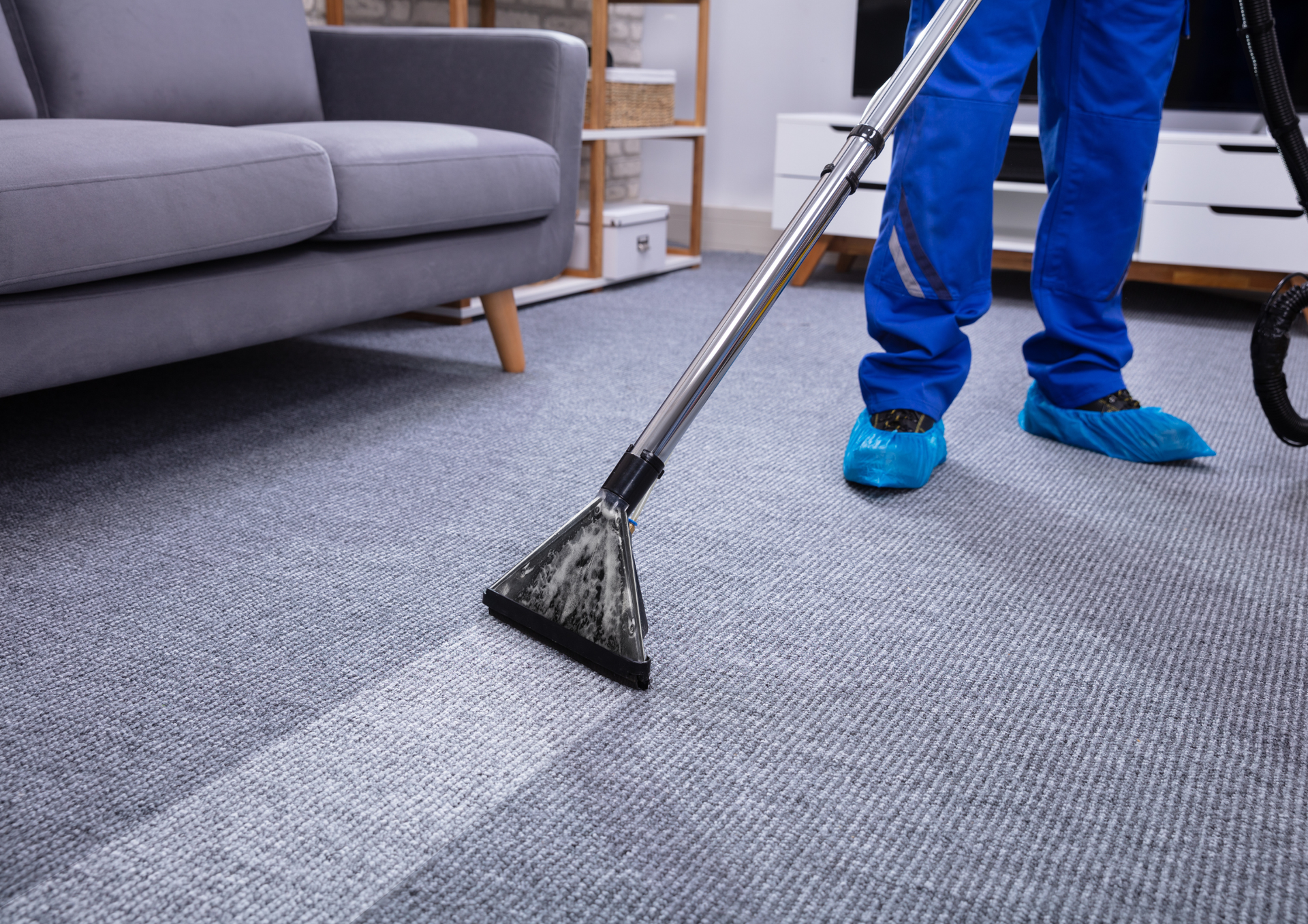
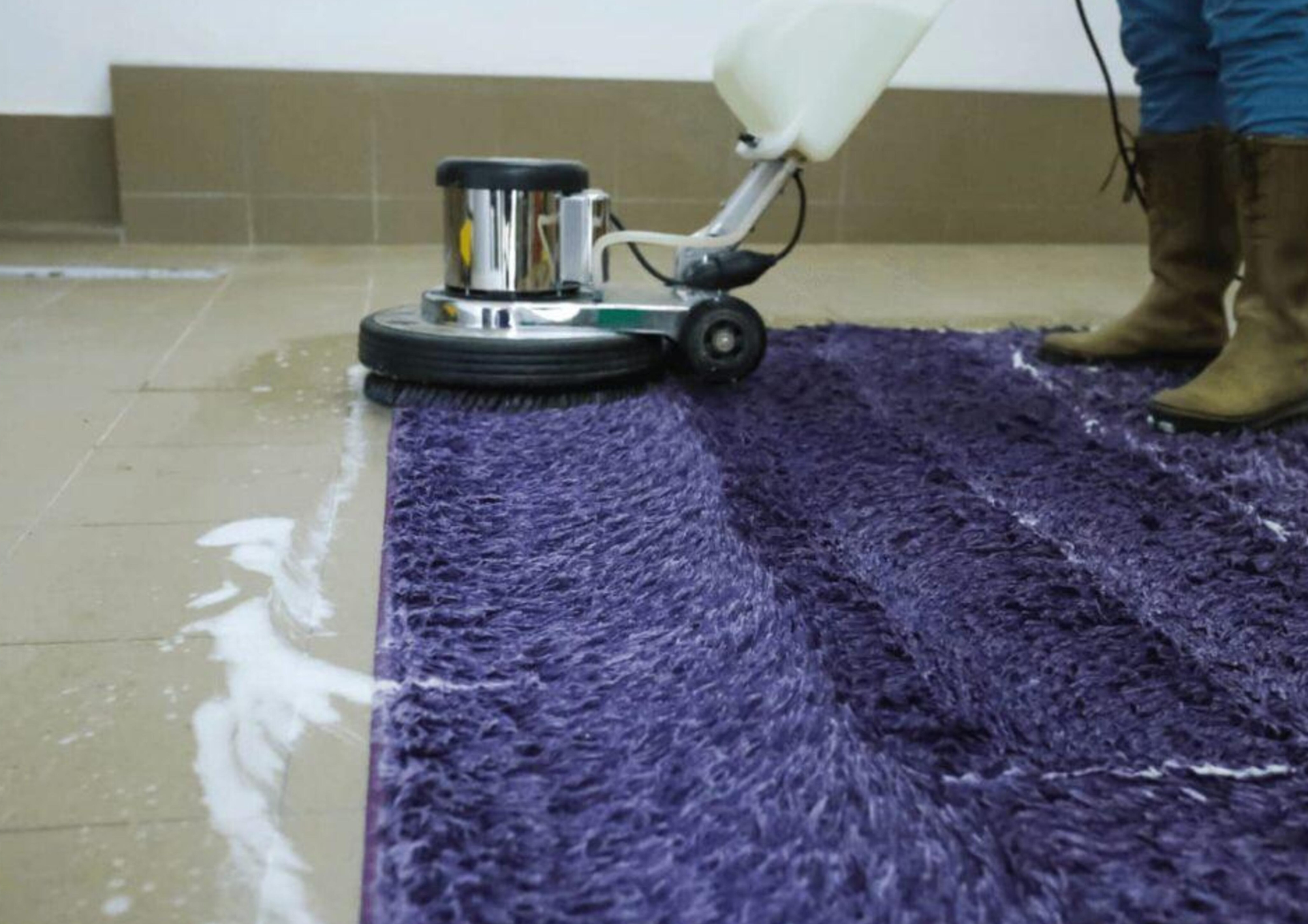
Different cleaning techniques are available depending on the carpet material, level of soiling, and requirements of the property. Hot water extraction uses controlled application of cleaning solution and water, followed by extraction to remove loosened dirt and residues.
Low-moisture methods use less liquid and may be suitable for certain carpets or environments where shorter drying times are important. Neither approach is automatically suitable for every material.
When selecting the best carpet and upholstery cleaner for a renovation project, property owners should consider whether the provider can explain the proposed treatment and assess the condition of the furnishings before work begins. The most appropriate method is determined by the fabric, construction, contamination, and relevant care instructions rather than by equipment alone.
Treating Construction-Related Stains
Accidental decorating marks can present additional challenges during the cleaning process. Dried paint, adhesive, plaster residues, and other construction materials may require specialist assessment before treatment is attempted.
Some substances can be removed or reduced using appropriate techniques, while others may cause permanent discolouration or damage. The cleaner should identify the likely substance and consider how the proposed treatment may affect the surrounding fibres.
Testing in an inconspicuous area may be necessary, particularly when working with delicate fabrics or strong cleaning solutions. Where a stain cannot be safely removed, the customer should receive clear guidance about the limitations of further treatment.
Cleaning Upholstered Furniture
Sofas, armchairs, dining chairs, and other upholstered furnishings can accumulate fine dust during renovation work, even when they have been moved away from the main work area.
Professional cleaning may involve careful vacuuming, targeted treatment, and a suitable extraction or low-moisture process, depending on the fabric.Particular attention may be required around seams, cushion edges, armrests, and other areas where dust can accumulate.
Furniture containing delicate materials or moisture-sensitive internal components may require a more specialised approach.The aim is to improve cleanliness and appearance without exposing the upholstery to unsuitable treatment or excessive moisture.
Drying and Final Inspection
After the main cleaning process, carpets and furnishings should be allowed to dry according to the method used and the materials involved.Drying times depend on factors such as room temperature, ventilation, humidity, fabric thickness, and the amount of moisture applied.
Adequate airflow can help support the drying process, although furniture should not be returned to its original position until the flooring is sufficiently dry.
The cleaner should also inspect the treated areas and provide practical guidance about any remaining marks or sections requiring additional attention.
For properties in St Helens, completing this stage before rooms are fully furnished helps make the transition from renovation work to everyday use more straightforward.
Maintaining Clean Carpets and Upholstery After Renovation
Once the renovation and professional cleaning have been completed, regular maintenance helps preserve the appearance and condition of carpets and upholstered furniture.
A consistent routine can reduce the accumulation of everyday dirt, limit unnecessary wear, and help maintain the results of the initial deep clean.
The following measures are suitable for residential properties, rental accommodation, offices, hotels, and other commercial environments.
Establishing a Regular Cleaning Routine
- Vacuum carpets regularly using equipment suitable for the flooring material.
- Pay particular attention to entrances, hallways, stairs, and other frequently used areas.
- Clean upholstered furniture using appropriate attachments to remove loose dust and everyday debris.
- Check beneath furniture and around skirting boards for particles that may have remained after renovation work.
- Adjust cleaning frequency according to occupancy, foot traffic, and the specific requirements of the property.
Preventing New Stains and Dirt Build-Up
- Place suitable entrance mats near external doors to reduce the amount of dirt carried indoors.
- Encourage occupants to remove muddy footwear before walking across newly cleaned carpets.
- Address accidental spills promptly using methods appropriate for the affected material.
- Avoid excessive rubbing, which may spread stains or damage carpet fibres.
- Keep food and drinks away from delicate furnishings where practical, particularly during the final stages of decorating or furniture installation.
Protecting Furniture and Flooring
- Allow carpets and upholstery to dry thoroughly before returning rooms to normal use.
- Use suitable furniture protectors where necessary to prevent marks on recently cleaned flooring.
- Avoid dragging heavy furniture across carpets, as this can damage fibres or create unnecessary wear.
- Rotate loose rugs where appropriate to help distribute everyday foot traffic.
- Follow manufacturer guidance when maintaining delicate upholstery fabrics and specialist flooring materials.
Arranging Future Professional Cleaning
- Consider the level of use each room receives when planning future maintenance.
- Arrange periodic deep cleaning for busy households, rental properties, and commercial premises where appropriate.
- Inspect carpets and upholstered furniture regularly for embedded dirt, persistent odours, and visible staining.
- When choosing a carpet upholstery cleaner, discuss the materials requiring treatment and any changes in their condition since the previous appointment.
- Keep a record of previous cleaning methods where useful, particularly for delicate furnishings or properties with multiple occupants.
Maintaining a regular cleaning routine helps preserve the results of professional treatment and supports the long-term condition of carpets and furniture.
For landlords and property managers, an organised maintenance schedule can also help keep properties presentable between tenancies.Homeowners and businesses benefit from a cleaner, more comfortable environment while reducing the likelihood of dirt becoming deeply embedded within soft furnishings.
Completing a home renovation is an opportunity to refresh the entire property, but the final results can be affected by dust, debris, and accidental marks left behind during building and decorating work.
Carpets and upholstered furniture are particularly vulnerable to fine particles that settle into fibres and remain difficult to remove through ordinary household cleaning.
Arranging professional carpet and upholstery cleaning after renovation work helps address these concerns while improving the appearance and cleanliness of interior furnishings.
From initial inspection and preparation through to specialist treatment and drying, each stage contributes to restoring a comfortable environment without exposing delicate materials to unnecessary cleaning risks.
For homeowners, tenants, landlords, property managers, and businesses in St Helens, planning the cleaning process carefully can help make newly renovated spaces ready for everyday use.
Combining appropriate professional treatment with regular maintenance also supports the long-term condition of carpets and furniture, allowing property owners to enjoy the results of their renovation for longer.
Carpet Cleaning St. Helens provides professional cleaning solutions for homeowners, landlords, tenants, property managers, and businesses throughout St Helens and the surrounding areas.
We understand that renovation work can leave carpets and upholstered furniture affected by fine dust, embedded debris, and accidental staining. Our approach focuses on assessing the condition of each material and selecting suitable cleaning methods according to the requirements of the property.
Whether you have recently redecorated a living room, completed a property refurbishment, or prepared commercial premises for reopening, we aim to provide practical assistance that helps restore the appearance and cleanliness of your furnishings.
Our carpet and upholstery cleaning services focus on careful treatment, clear communication, and attention to detail. We recognise that different carpets and fabrics require different approaches, which is why understanding the condition of the material is an important part of the cleaning process.
We also provide practical guidance on drying, everyday maintenance, and caring for your furnishings after the appointment.
If your carpets or upholstered furniture require attention following renovation work, contact us to discuss your cleaning requirements and arrange a suitable appointment.
Check out our latest X update on the importance of
carpet and upholstery cleaning after your home renovation project!
You might also like