Professional Carpet Cleaning Tips for Maintaining Floors Long Term
Carpets contribute significantly to the comfort, appearance and character of a property. From family homes and rented accommodation to offices, hotels and restaurants, carpeted floors experience constant use and gradually collect dust, grit, fibres, spills and other debris. Without appropriate maintenance, this everyday build-up can affect appearance, texture and the lifespan of the flooring.
A combination of routine care and professional carpet cleaning can help carpets remain in better condition over the long term. For homeowners, tenants, landlords and businesses in St Helens, understanding how to care for flooring between deeper cleans can reduce unnecessary wear and make day-to-day maintenance easier.
Simple habits such as frequent vacuuming, dealing with spills promptly and reducing the amount of outdoor dirt brought inside can make a noticeable difference. Professional attention can then complement these measures by addressing embedded debris and areas that ordinary household equipment may struggle to reach.
Build a Consistent Carpet Maintenance Routine
Regular maintenance is one of the simplest ways to protect carpeted flooring. Dirt and grit may initially appear harmless, but repeated foot traffic can push these particles deeper into the pile. Over time, abrasive debris can contribute to fibre wear and leave frequently used areas looking dull compared with less travelled parts of a room.
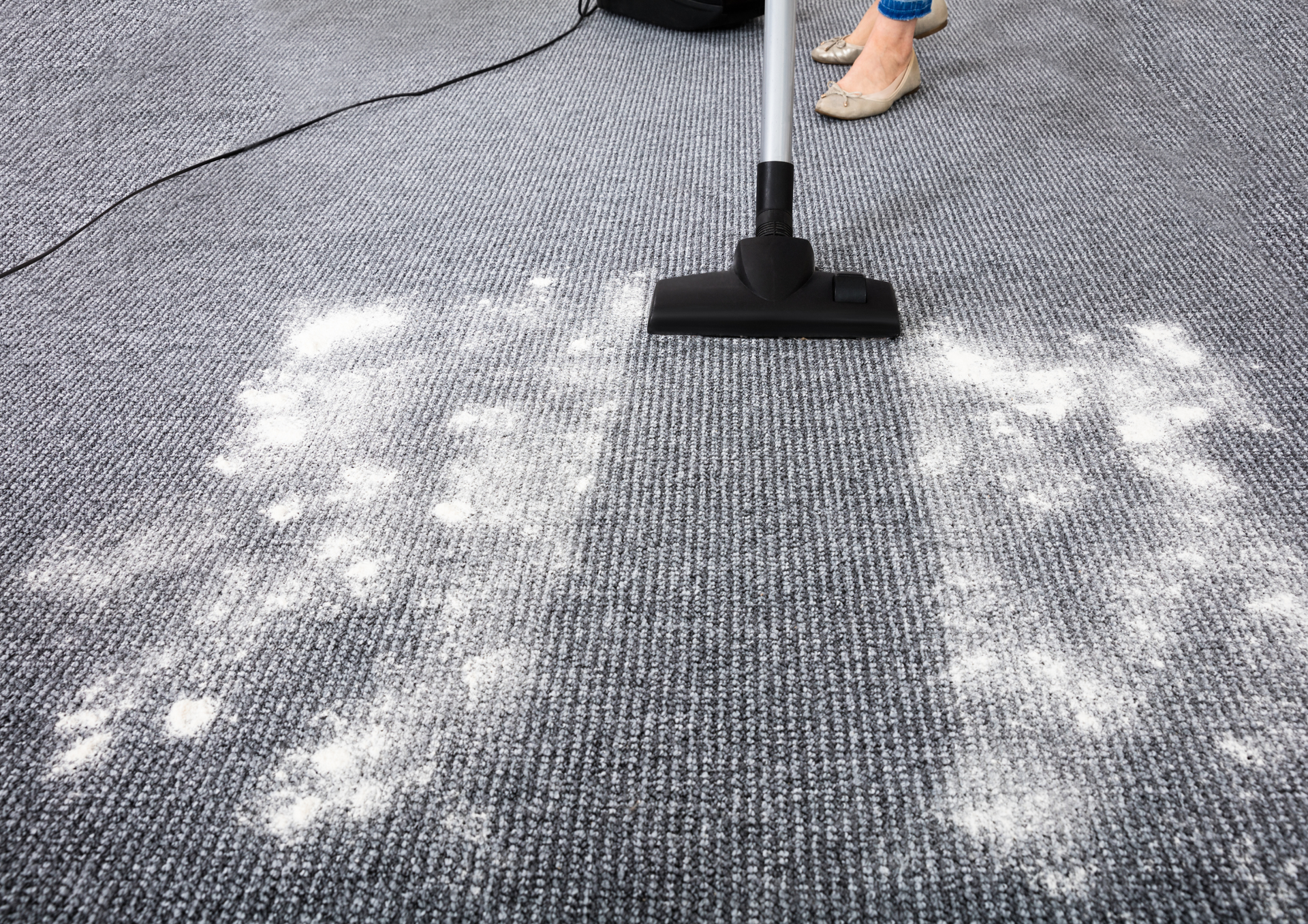
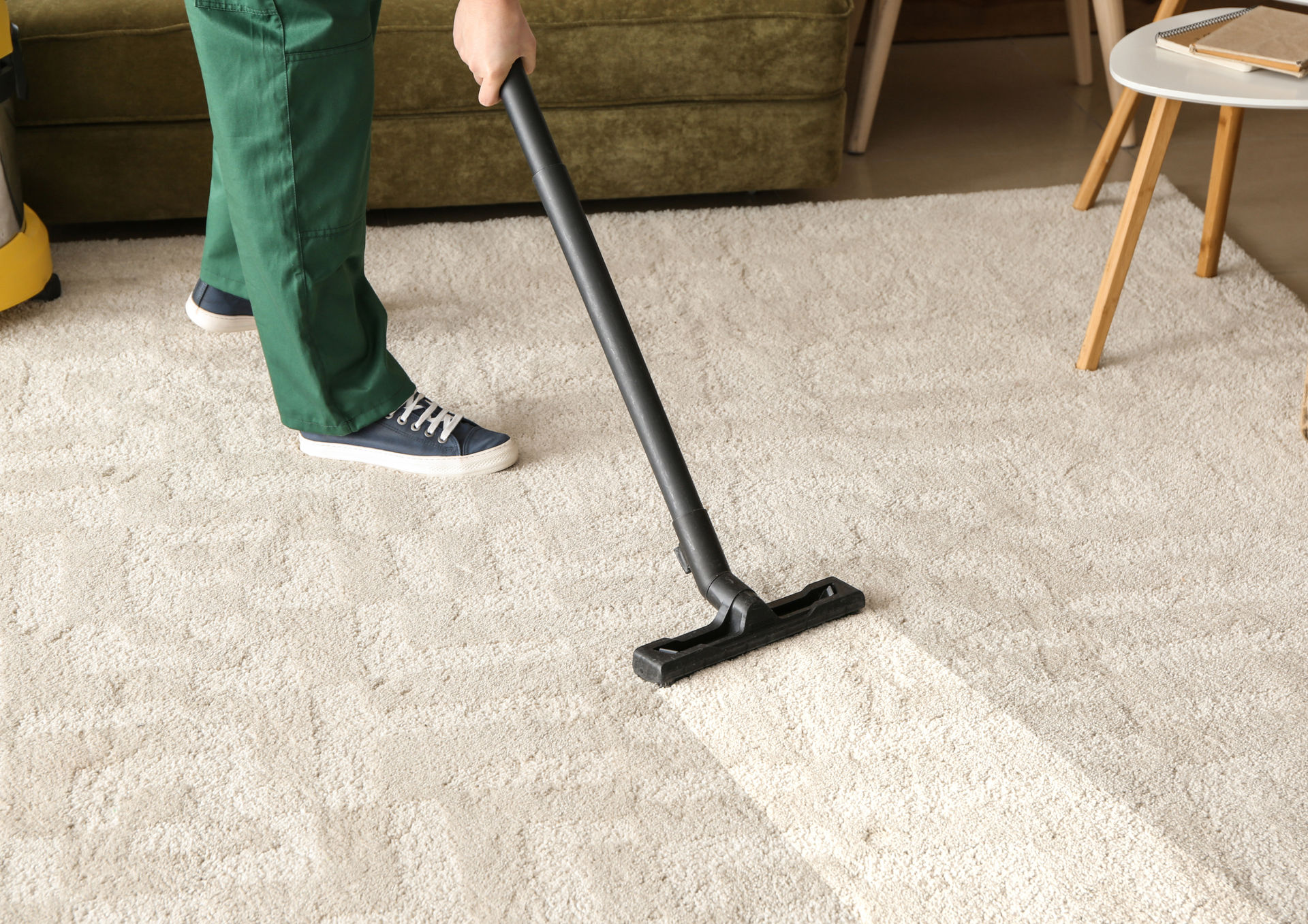
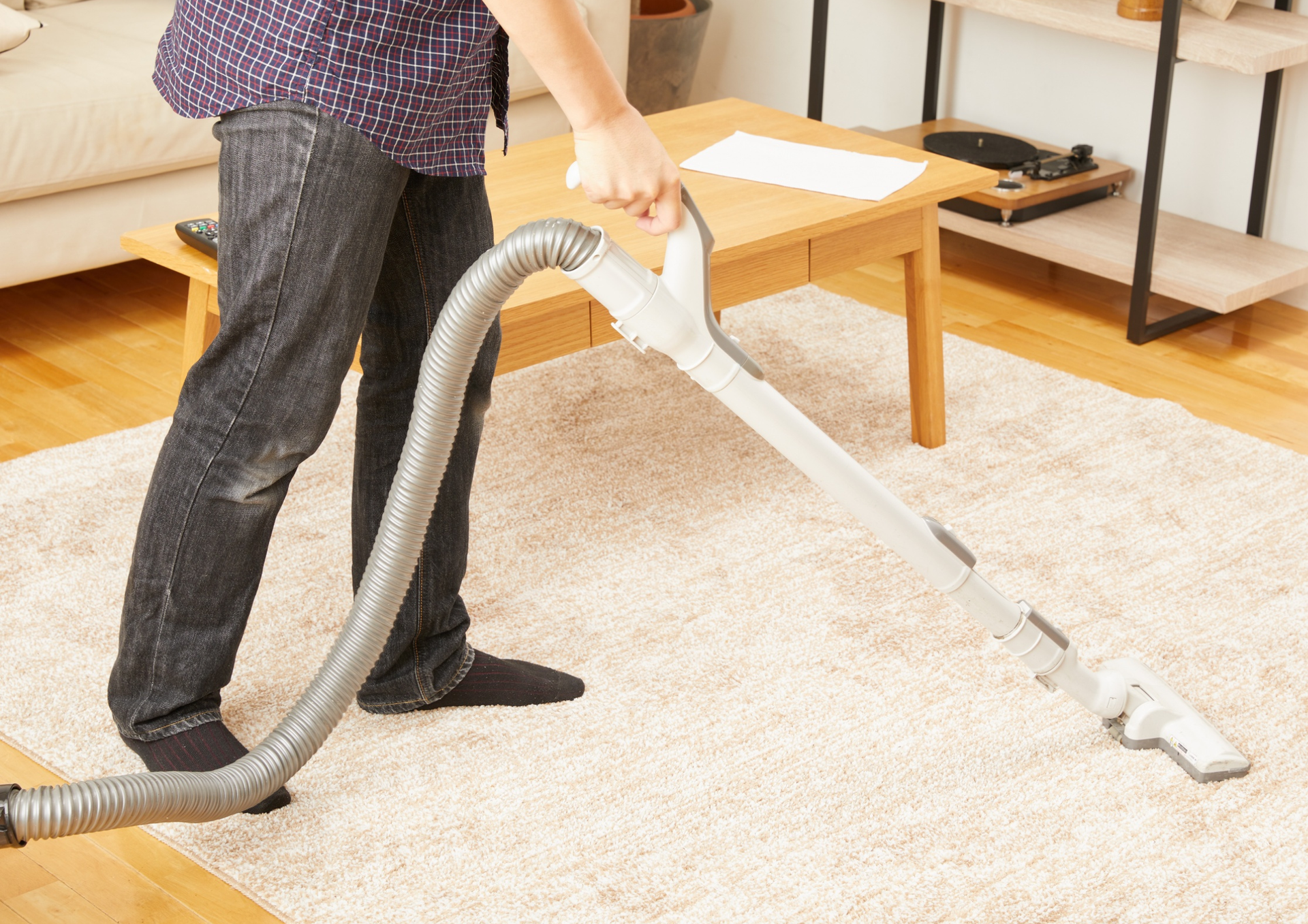
Vacuuming should therefore form the foundation of routine care. The frequency will depend on how the property is used. A quiet bedroom may require less frequent attention than a hallway, entrance, reception area or restaurant dining space. Properties with children, pets or substantial daily footfall may also benefit from more frequent vacuuming.
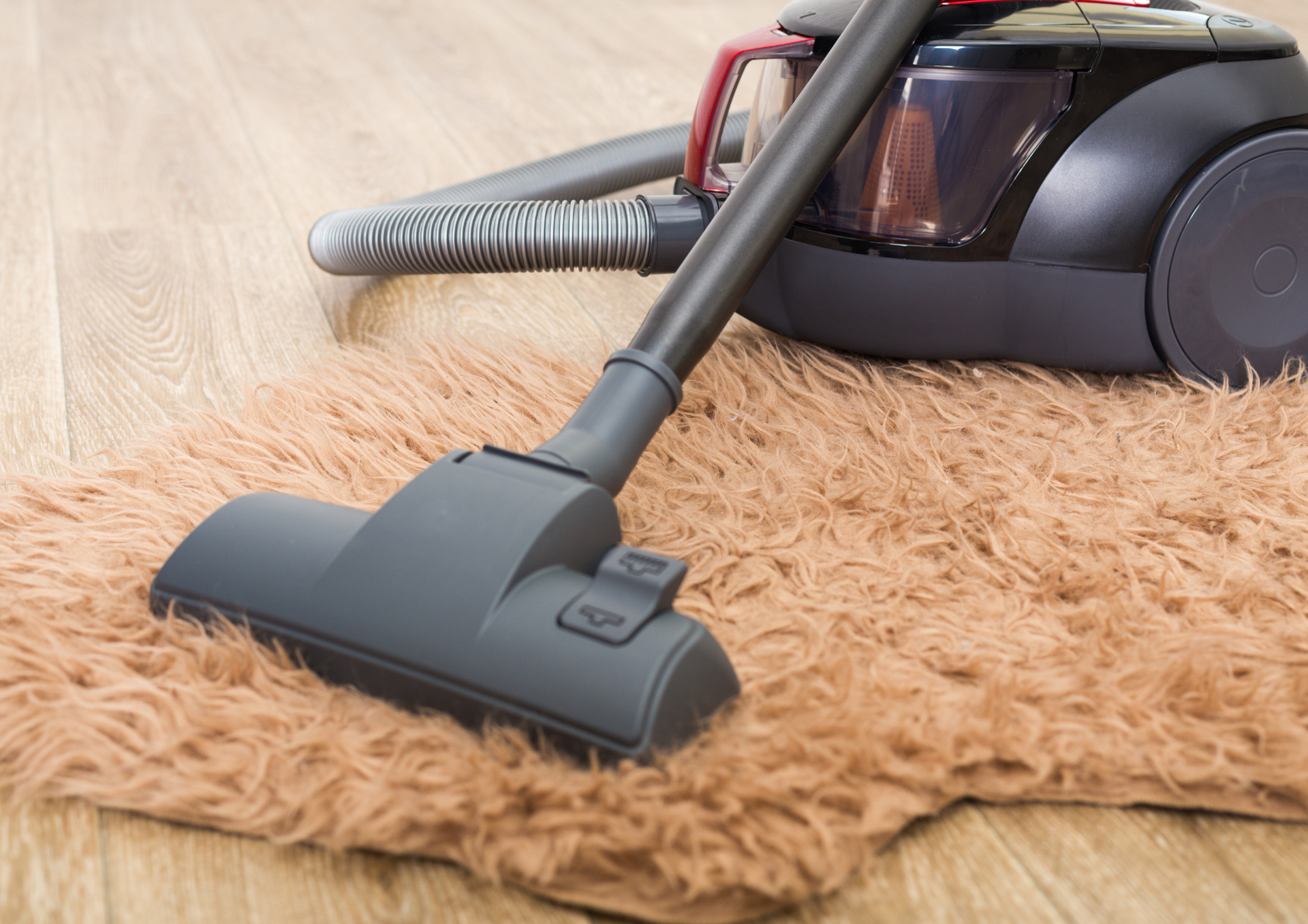
Equipment should be appropriate for the carpet type. Some delicate fibres require gentler treatment, while thicker carpets may need several slow passes to lift debris effectively. Paying particular attention to edges, corners and areas around furniture can prevent dust from accumulating in places that are easily overlooked.
Spills should also be dealt with as soon as reasonably possible. Allowing liquid to remain within the fibres can make staining more difficult to address later. Rather than aggressively rubbing the affected area, carefully blotting it can help absorb moisture without spreading the substance further across the carpet.
Homeowners and businesses searching for professional carpet cleaning near me may find that routine maintenance between appointments makes deeper cleaning more effective because excessive surface debris and preventable staining have already been kept under control.
Entrance mats can provide another useful layer of protection. Positioning suitable mats at external doors helps capture some of the moisture, soil and grit carried inside on footwear. Regularly cleaning these mats is equally important because an overloaded mat can eventually become another source of dirt.
Furniture placement should also be considered. Heavy sofas, tables, cabinets and desks can leave compressed areas in carpet fibres. Where practical, occasionally adjusting furniture positions slightly can distribute wear more evenly, particularly in rooms that receive substantial daily use.
Focus on High-Traffic Areas and Everyday Stains
Some areas naturally require more attention than others. Identifying these sections and maintaining them regularly can help prevent localised wear from becoming the most noticeable feature of the flooring.
Entrances and Hallways
- Vacuum these areas frequently because they receive considerable foot traffic.
- Use entrance mats to reduce the amount of outdoor soil reaching carpet fibres.
- Pay attention to edges and corners where dust can gradually accumulate.
- Deal with muddy footprints promptly rather than allowing them to become embedded.
Living Rooms and Shared Spaces
- Move lightweight furniture when vacuuming so concealed debris can be removed.
- Check areas around sofas and tables where crumbs and everyday dirt commonly collect.
- Rotate movable furniture occasionally where practical to help distribute wear.
- Avoid excessive use of household cleaning products that may leave unwanted residue.
Bedrooms and Home Offices
- Vacuum underneath beds, desks and other accessible furniture periodically.
- Give additional attention to areas beneath office chairs where repeated movement can affect fibres.
- Keep dust around skirting boards and room edges under control.
- Clean spills promptly before they have time to settle.
Rugs and Delicate Floor Coverings
- Vacuum rugs according to their material and construction.
- Avoid treating delicate fibres with unsuitable household products.
- Rotate rugs periodically where practical to encourage more even exposure to foot traffic and natural light.
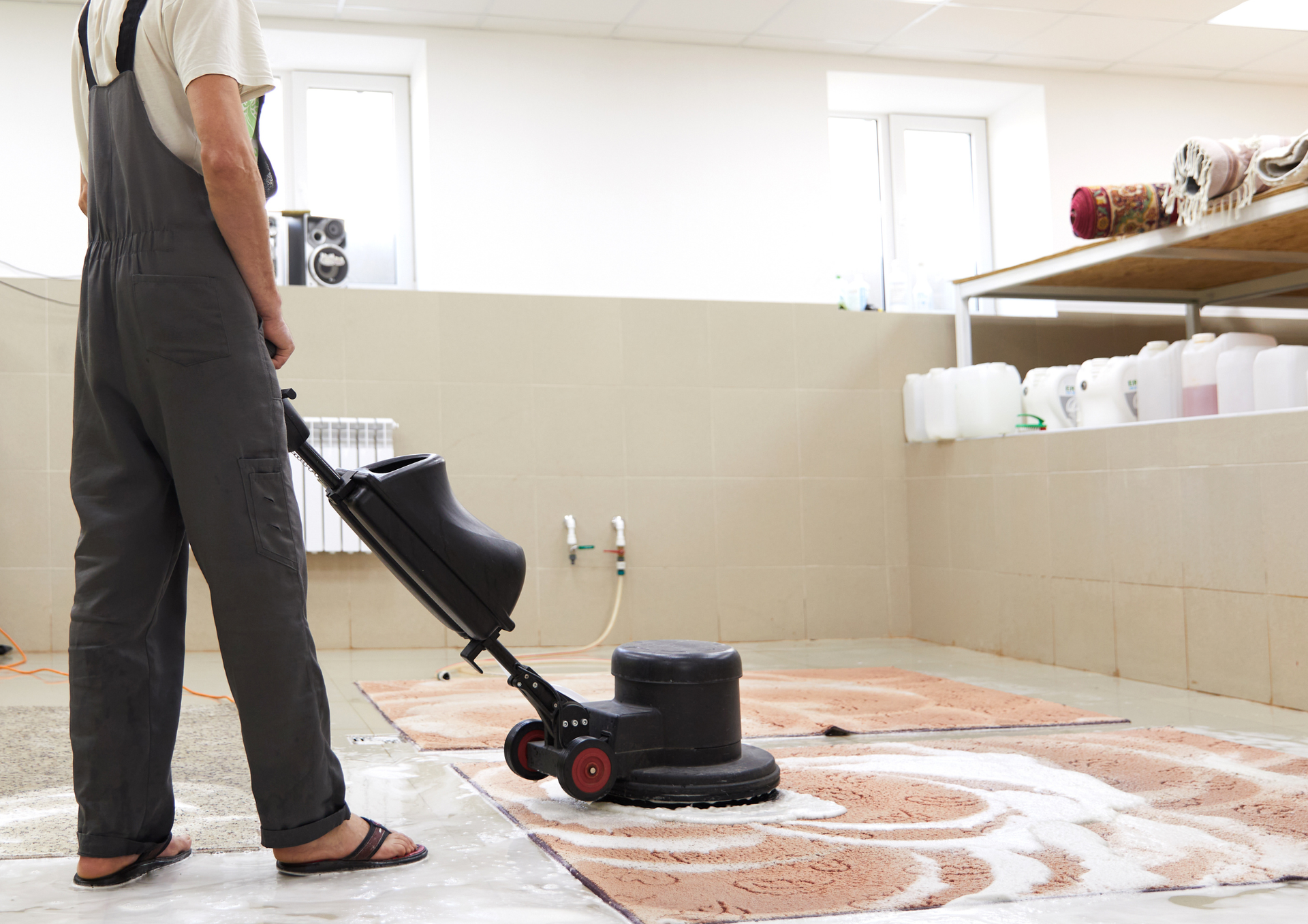
- Consider professional rug cleaning when deeper treatment is required, particularly for valuable, delicate or heavily used pieces.
Taking a room-by-room approach makes maintenance more manageable. Instead of waiting until the entire carpet looks heavily soiled, property owners can concentrate on areas according to their actual level of use.
Know When Deeper Cleaning May Be Needed
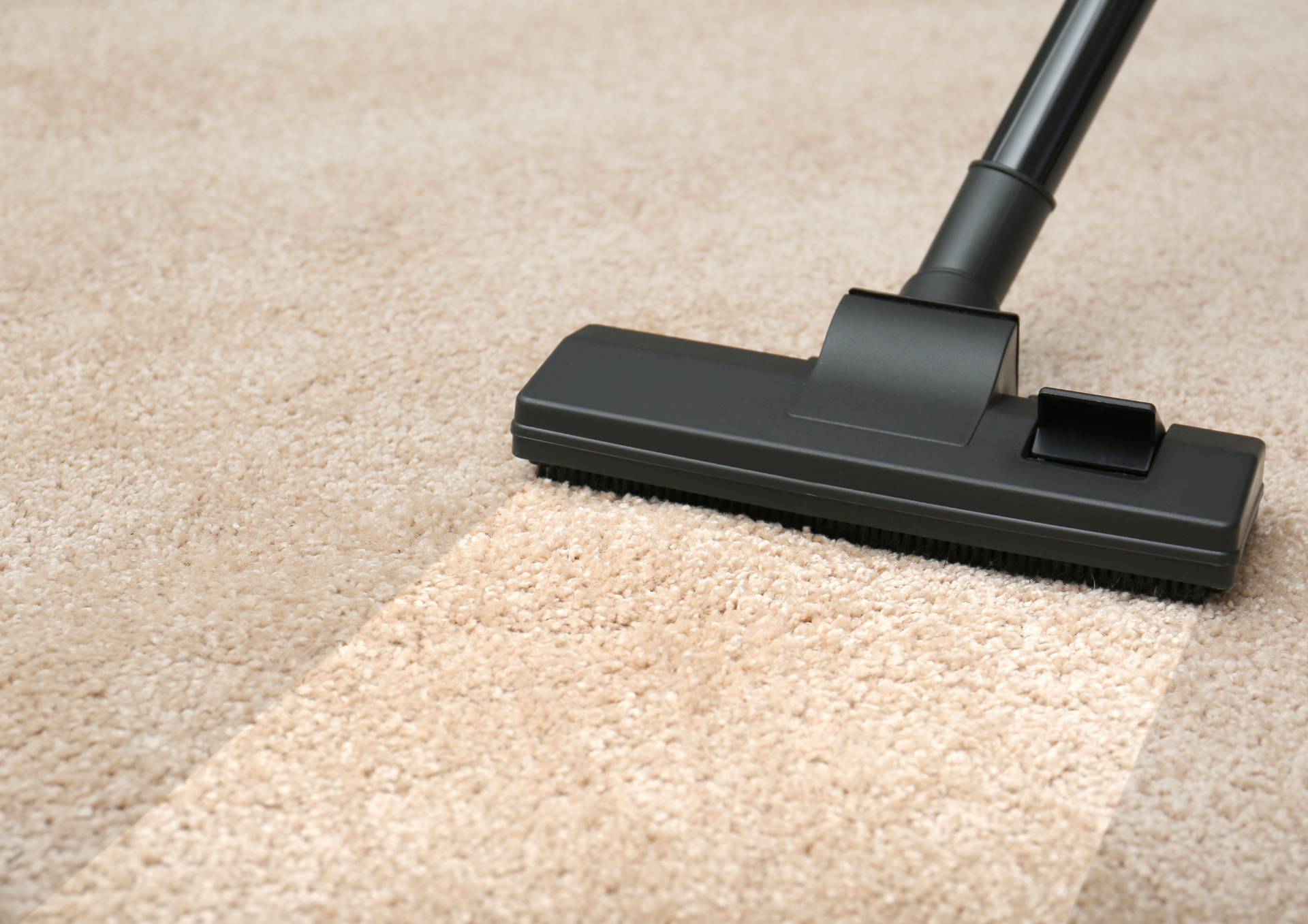
Routine vacuuming is essential, but it has limitations. Household machines primarily address loose surface debris, while fine particles, residues and ingrained dirt can gradually settle further into the carpet pile. This is where deeper treatment becomes useful as part of a broader maintenance programme.
Several signs may indicate that a carpet requires more thorough attention. Colours may appear duller than they once did, high-traffic areas can become visibly darker, and previously treated stains may begin to reappear. Persistent odours can also suggest that ordinary surface cleaning is no longer sufficient.
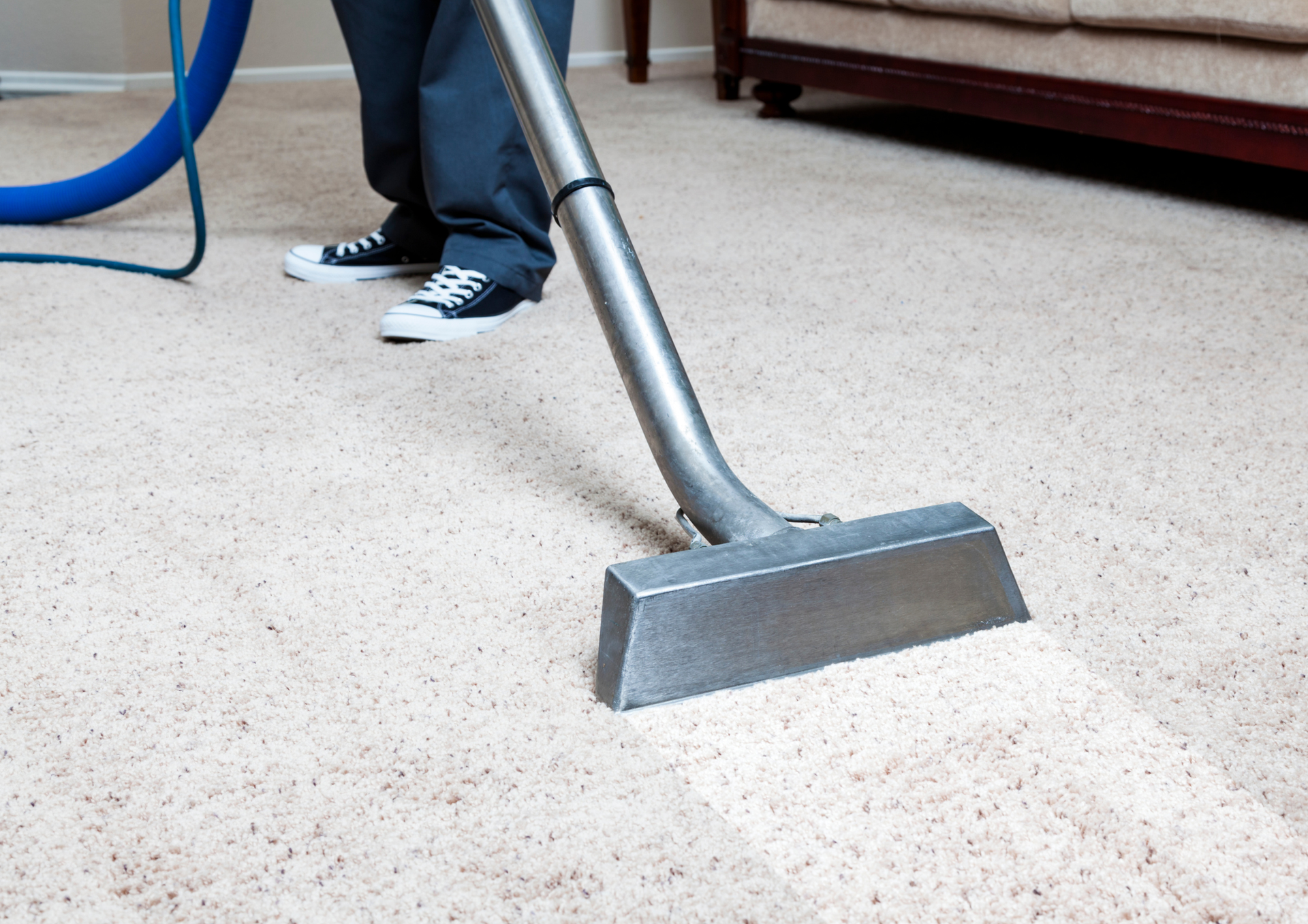
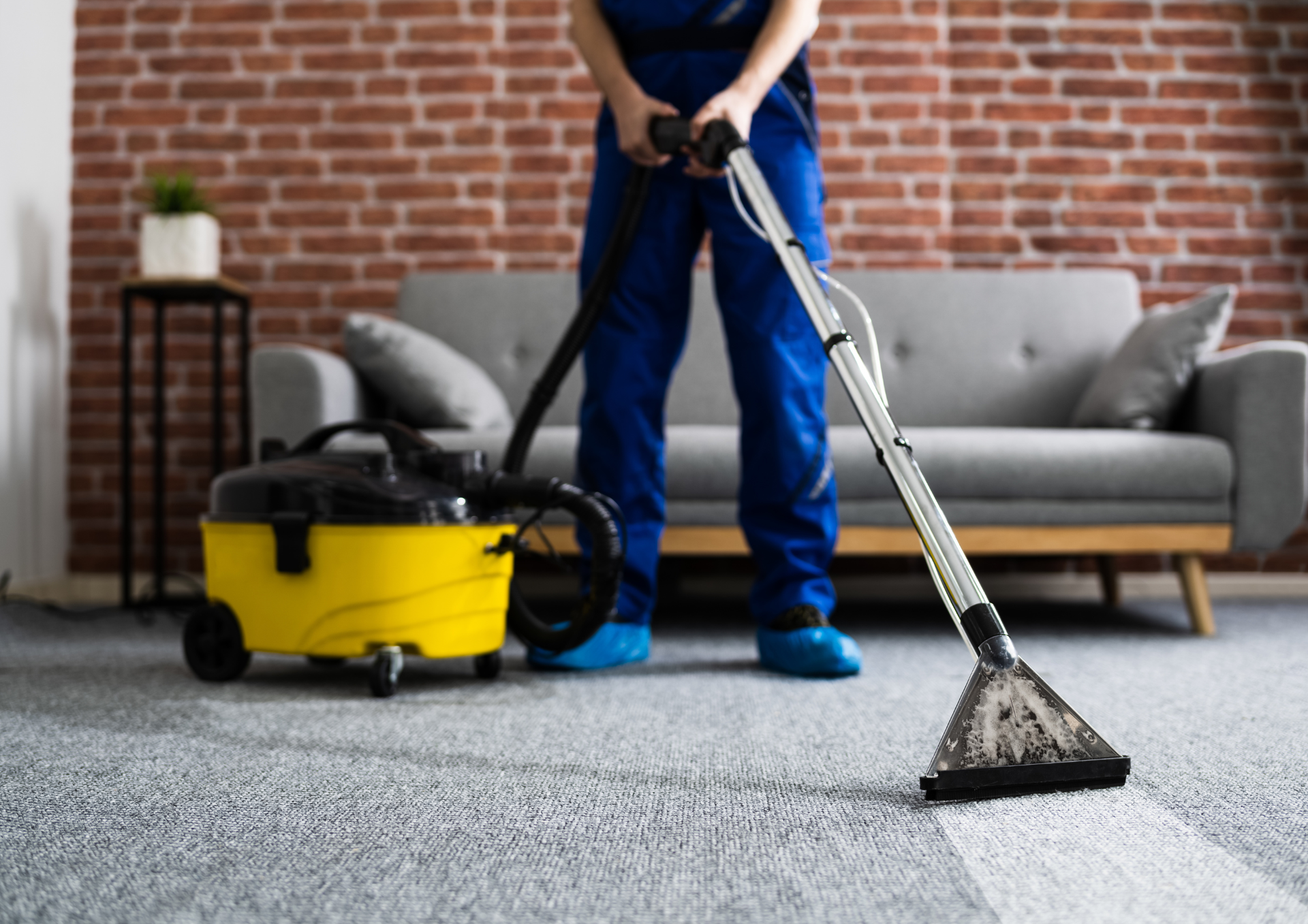
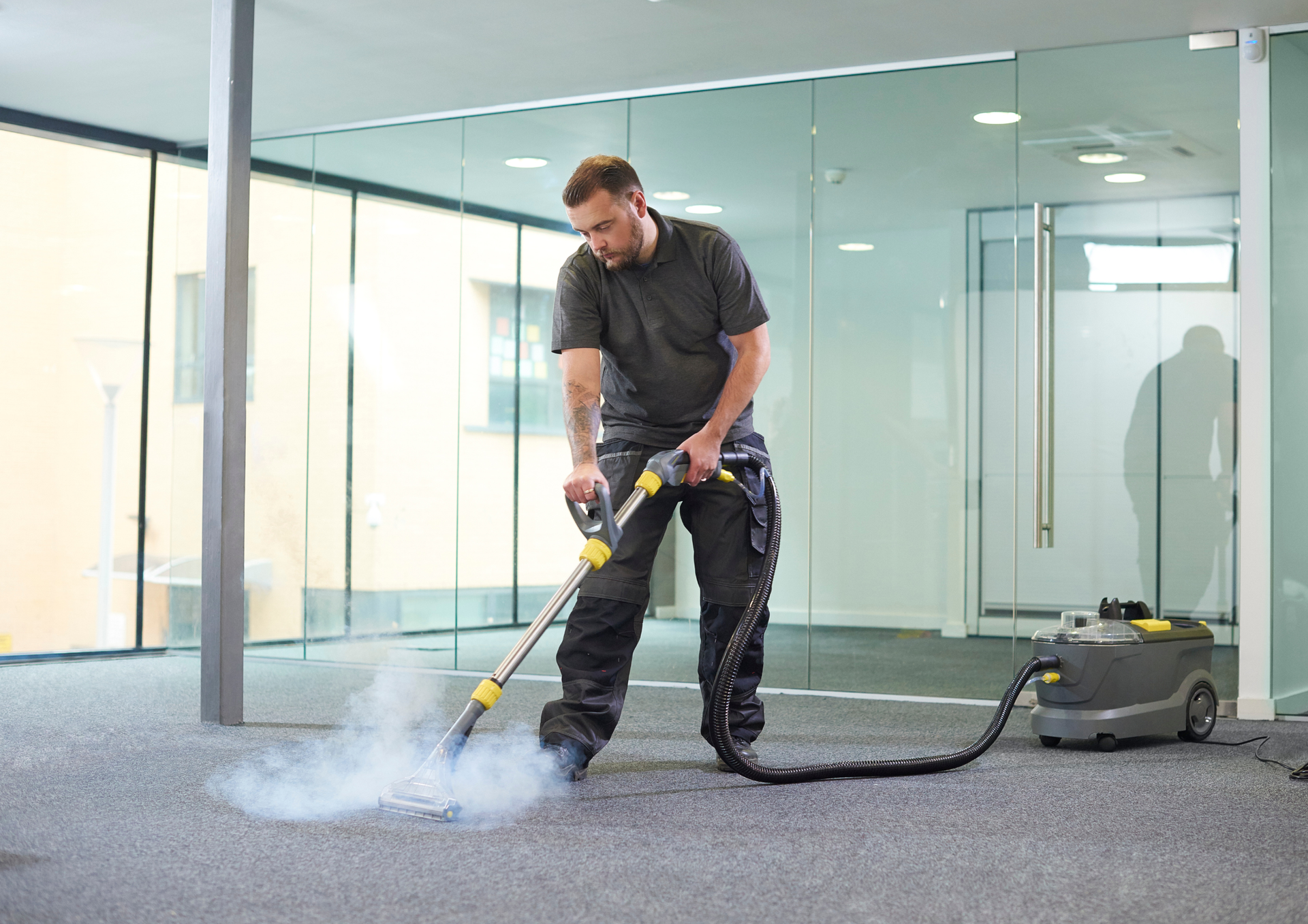
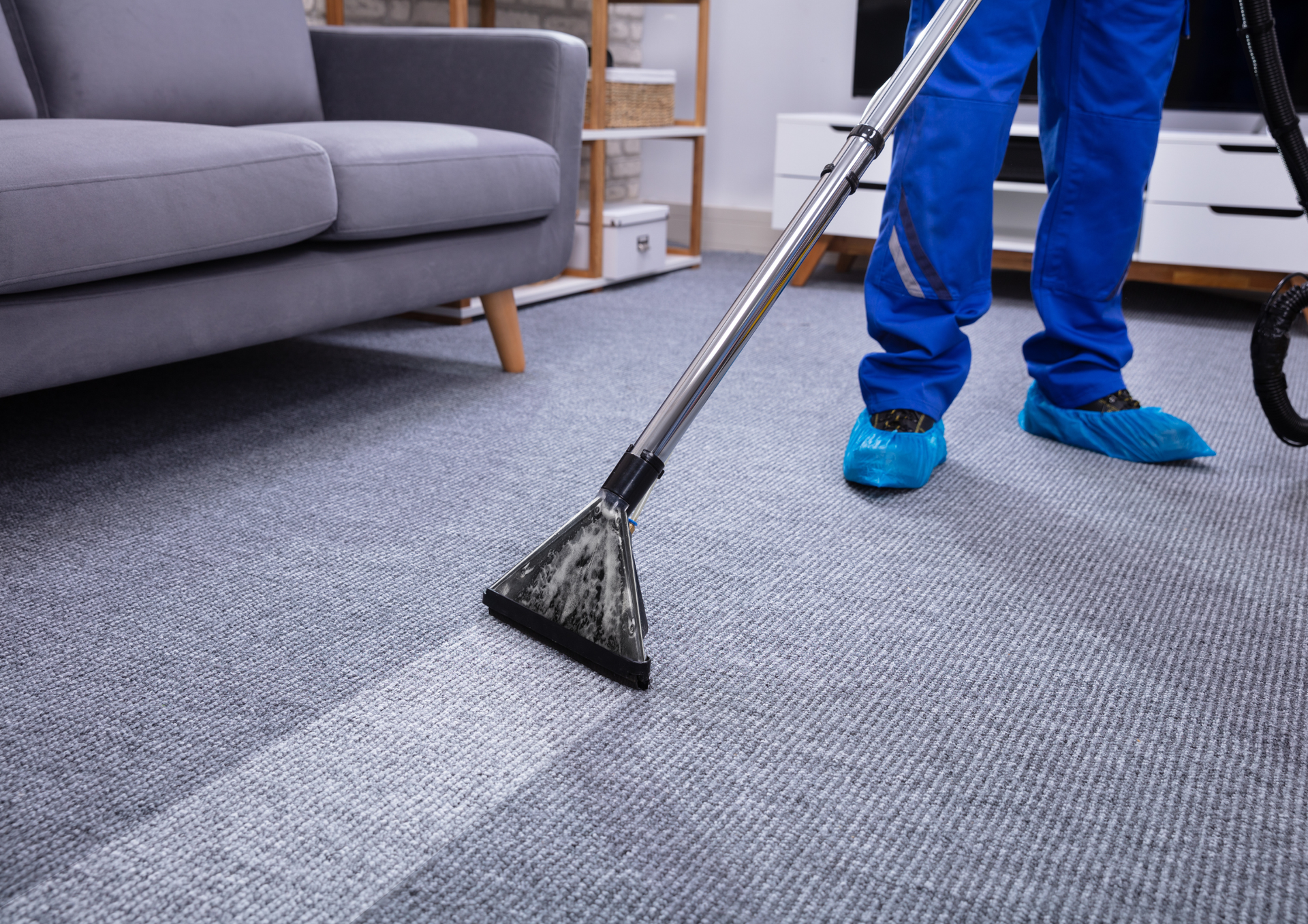
Professional equipment is designed to address contamination beyond the visible surface. The appropriate method depends on factors including fibre construction, backing, condition, level of soiling and the environment in which the carpet is installed. An assessment before cleaning can therefore help determine an appropriate treatment rather than relying on a single method for every carpet.
For landlords and property managers in St Helens, deeper cleaning can be particularly useful between tenancies. Empty properties provide easier access to flooring, allowing areas normally covered by furniture to receive attention. Similar principles apply to offices, hotels and restaurants, where quieter operating periods can provide an opportunity to carry out more extensive maintenance.
Customers often want to understand professional carpet cleaning cost before arranging a service. Pricing can vary according to the size and number of rooms, carpet condition, accessibility, treatment requirements and the type of work involved, so comparing the scope of the service alongside the price provides a more useful picture than considering the quotation alone.
Scheduling should be based on actual use rather than an arbitrary timetable. A lightly occupied home may not require deeper attention as frequently as a busy restaurant, hotel corridor or commercial reception. Assessing how quickly carpets become soiled helps establish a maintenance routine appropriate to the individual property.
Maintaining realistic expectations is equally important. Cleaning can significantly improve carpets affected by general dirt and many common marks, but it cannot reverse physical wear, permanent discolouration or damage to the fibres. Identifying these differences helps property owners decide whether cleaning, repair or eventual replacement is the most appropriate option.
Protect Carpets After a Professional Clean
The period following a deeper clean is a good opportunity to establish habits that help preserve the results. A few practical measures can reduce fresh soiling and keep flooring looking presentable for longer.
Allow Adequate Drying
- Follow the guidance provided regarding drying times before returning the room to normal use.
- Encourage suitable ventilation where appropriate to support the drying process.
- Avoid placing furniture back prematurely if the carpet remains damp.
- Remember that drying times can vary according to fibre type, temperature, airflow and cleaning method.
Reduce Outdoor Dirt
- Place clean mats at frequently used entrances.
- Encourage occupants to avoid bringing muddy or excessively dirty footwear across carpeted areas.
- Clean entrance mats regularly so they continue to capture debris effectively.
- Give entrance areas additional vacuuming because they usually collect dirt faster than other spaces.
Respond Quickly to New Spills
- Blot liquid carefully using a clean, absorbent material.
- Avoid aggressive scrubbing, which can spread the spill or disturb carpet fibres.
- Use only treatments appropriate for the specific carpet material.
- Seek advice for difficult stains rather than repeatedly applying different products.
Plan Ongoing Maintenance
- Establish a realistic vacuuming routine based on the amount of foot traffic.
- Periodically inspect commonly used routes for signs of developing wear or soiling.
- Include rugs and less obvious areas beneath accessible furniture in the maintenance routine.
- Using a dependable local carpet cleaning provider when deeper care is needed can complement everyday maintenance and help property owners manage flooring consistently.
By combining these practical habits with professional carpet cleaning when required, property owners can help maintain the appearance, cleanliness and condition of their flooring while reducing unnecessary wear over time.
Carpet Cleaning St. Helens provides practical carpet care for homeowners, renters, landlords, property managers and businesses throughout the local area. We take the time to consider the condition, material and level of use of each carpet before determining an appropriate cleaning approach.
Our approach to professional carpet cleaning focuses on careful workmanship, straightforward communication and solutions suited to the individual property. From heavily used household carpets to flooring in offices and other commercial environments, we aim to provide thorough care while minimising unnecessary disruption.
Check out our latest X update for
professional carpet cleaning tips to help maintain your floors and keep them looking their best for the long term!
You might also like