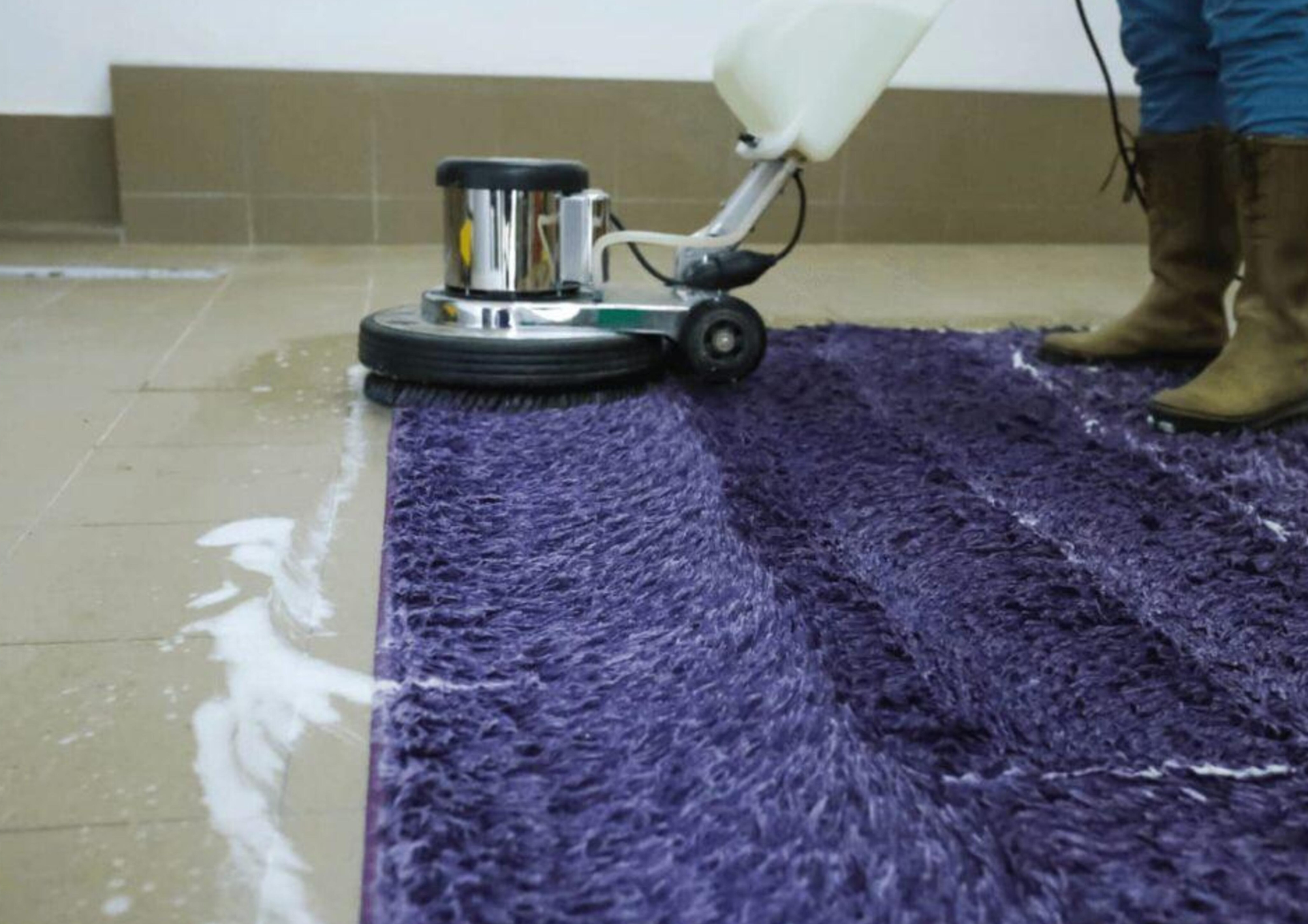
How Carpet Cleaning Services Care for Different Carpet Materials
Carpets are available in a wide variety of materials, and each one responds differently to moisture, cleaning products, agitation and heat. A cleaning method that works effectively on one carpet may be unsuitable for another, which is why identifying the fibre and construction should be one of the first steps before any deep treatment begins.
For homeowners, tenants, landlords and businesses in St Helens, understanding these differences can make it easier to arrange appropriate care for flooring. Professional carpet cleaning services consider the material, condition, level of soiling and manufacturer guidance before deciding how a carpet should be treated. This measured approach can help remove accumulated dirt while protecting the fibres, texture and overall appearance of the flooring.
Why Carpet Material Determines the Cleaning Approach
Carpet fibres differ considerably in their ability to tolerate moisture, heat and cleaning solutions. Wool, nylon, polyester, polypropylene and blended materials all have individual characteristics, making careful identification important before treatment starts.
Wool is a natural fibre valued for its softness, warmth and appearance. However, it can require particularly careful handling because excessive heat, aggressive agitation or unsuitable products may affect its texture or appearance. A controlled approach is generally preferable, with close attention paid to moisture levels and the products being used.
Synthetic fibres can have different requirements. Nylon is commonly regarded as durable and resilient, making it suitable for busy areas, while polypropylene is often chosen because of its practical qualities in frequently used spaces. Polyester can provide softness and strong colour, although oily residues and certain types of soiling may require targeted attention.
People searching for carpet cleaning near me may naturally focus on convenience and availability, but understanding the material being treated is equally important. A careful cleaner should assess the flooring first rather than automatically applying the same process to every carpet.
Construction also matters. A dense pile can hold debris deeper beneath the visible surface, while looped carpets may require controlled agitation to avoid unnecessary stress on the fibres. Older carpets can also have worn sections that need gentler treatment than less frequently used areas.
Staining adds another consideration. Tea, coffee, mud, food, grease and other substances interact differently with individual fibres. Identifying both the carpet material and likely source of a mark allows treatment to be selected more carefully.
A professional assessment therefore provides the foundation for the entire cleaning process. Rather than treating every carpet identically, the cleaner can adapt the technique to suit what is actually present in the property.
Cleaning Natural, Synthetic and Blended Carpet Fibres
Different fibre categories have their own cleaning considerations. Before treatment begins, the carpet should be assessed for fibre type, construction, staining and general condition so that cleaning can be adjusted accordingly.
Natural Fibres
- Wool carpets usually benefit from controlled moisture levels and carefully selected cleaning products.
- Excessive agitation should be avoided where it could disturb the texture or appearance of delicate fibres.
- Natural materials should be checked carefully before stain treatments are applied.
- Drying conditions need to be managed appropriately to avoid leaving unnecessary moisture within dense fibres.
Synthetic Fibres
- Nylon carpets can often tolerate regular use well, but accumulated dirt still needs to be removed from deeper areas of the pile.
- Polypropylene flooring is frequently found in busy domestic and commercial spaces and may require particular attention where oily residues have accumulated.
- Polyester carpets can hold their colour well but still need suitable treatment for spills, marks and everyday soiling.
- Cleaning strength should always be matched to the condition of the flooring rather than assuming durability means aggressive treatment is appropriate.
Blended Materials
- Carpets containing more than one fibre need an approach that considers the characteristics of every material present.
- Cleaning should generally be based on the requirements of the more sensitive component within the blend.
- Testing a small, discreet section can help determine how the material responds before wider treatment begins.
Careful Product Selection
- Effective carpet cleaning depends on more than equipment alone, as the cleaning products and techniques used must also suit the fibres.
- Stain treatments should be selected according to both the substance being removed and the carpet material.
- Controlled application helps avoid unnecessary saturation while still targeting embedded dirt and residues.
These distinctions are relevant in homes, rental properties, hotels, restaurants and offices throughout St Helens and elsewhere. Matching the cleaning approach to the flooring helps achieve a more consistent result while reducing unnecessary stress on the material.
How Professionals Assess Carpets Before Deep Cleaning
A thorough inspection allows the cleaner to understand what they are working with before equipment or cleaning products are introduced. This stage can reveal fibre characteristics, worn areas, existing damage, previous staining and sections exposed to particularly heavy foot traffic.
The cleaner may also consider how the room is used. A lounge in a family home has different cleaning demands from a hotel corridor, restaurant dining area or busy office reception. Footfall, furniture placement, pets, food preparation and outdoor access can all influence the type and amount of debris found within the carpet.
With professional carpet cleaning, the objective is to choose a process that balances effective soil removal with appropriate fibre care. This may involve adjusting moisture, temperature, agitation, extraction and drying according to the carpet rather than relying on a single standard technique.
Pre-treatment can then be targeted where it is actually needed. Entrances and walkways, for example, often contain greater quantities of embedded grit, while dining spaces may have isolated food and drink marks. Treating these areas individually can be more appropriate than applying stronger products unnecessarily across the entire floor.
Colour stability may also need consideration, particularly with older, unusual or delicate materials. Testing an inconspicuous area before extensive treatment can provide useful information about how the fibres and dyes respond.
Drying is another part of the assessment. Dense carpets, rooms with limited airflow and properties with cooler indoor temperatures may take longer to dry. Planning for these conditions allows occupants to understand when the area can return to normal use.
This assessment-led process is particularly useful for landlords, property managers and businesses responsible for several different rooms. One building can contain multiple carpet types, each requiring a slightly different approach.
Choosing Suitable Care for Different Properties and Carpets
Choosing an appropriate cleaning service involves looking beyond the visible condition of the carpet. Property use, carpet construction, fibre sensitivity and the type of soiling present should all influence how the work is planned.
Homes and Rental Properties
- Living rooms, stairs and hallways generally experience greater foot traffic and may need more detailed treatment.
- Bedrooms often accumulate fine dust and debris even when obvious staining is limited.
- Rental properties can contain several flooring materials installed at different times, making individual assessment particularly useful.
- Furniture placement and access should be considered before cleaning starts.
Hotels and Hospitality Premises
- Corridors, entrances and reception spaces can experience continuous foot traffic throughout the day.
- Restaurant carpets may require targeted treatment for food, drink and greasy residues.
- Guest areas need cleaning to be organised carefully to minimise disruption.
- Suitable drying arrangements help rooms and shared areas return to use efficiently.
Offices and Commercial Spaces
- Entrances and areas beneath desks or office chairs commonly show concentrated wear.
- Meeting rooms may appear relatively clean while still holding dust and fine debris within the pile.
- Larger floor areas benefit from an organised cleaning plan that accounts for different levels of use.
- Cleaning can be arranged around normal operating requirements where practical.
Selecting a Provider
- Reputable carpet cleaning companies should be prepared to assess the carpet before deciding on the most suitable treatment.
- Customers can ask how different fibres are identified and whether cleaning methods are adjusted for sensitive materials.
- Clear explanations of the process can help property owners understand what treatment is appropriate and what results can reasonably be expected.
- Price is worth considering alongside equipment, experience, cleaning methods and the level of care provided.
A tailored approach is especially valuable where several carpet materials are present within the same property. The right carpet cleaning services should recognise these differences and adapt the work rather than treating every room in exactly the same way.
Different carpet materials require different levels of care, and understanding those differences is central to effective cleaning. Natural fibres, synthetic materials and blended carpets each respond differently to moisture, agitation, temperature and cleaning products, making an initial assessment an important part of the process.
Homeowners, tenants, landlords, property managers and businesses can benefit from choosing a service that considers the individual characteristics of their flooring. Appropriate methods can remove accumulated dirt, refresh the appearance of carpets and help maintain their condition without applying unnecessary treatment.
Whether the flooring is located in a family home, rental property, office, hotel or restaurant, carefully selected carpet cleaning services provide a practical way to maintain different carpet materials while accounting for how each space is used.
Dependable
carpet cleaning services for residential and commercial properties throughout the local area. We begin by considering the material, condition, and cleaning requirements of the flooring before determining an appropriate approach. This allows different carpet types to receive suitable attention rather than relying on one method for every situation.
Carpet Cleaning St. Helens we work with homeowners, tenants, landlords, property managers, and businesses, providing clear communication and practical guidance throughout the process. Our focus is on thorough workmanship, appropriate cleaning techniques, and dependable service, helping customers maintain cleaner, fresher, and better-presented carpets across a wide variety of property types.
Check out our latest X update on how
carpet cleaning services care for different carpet materials using suitable cleaning methods!
You might also like